
Alexandrite vs Diode: What to Ask Before Choosing a Laser Hair Removal Clinic
Laser3 min read
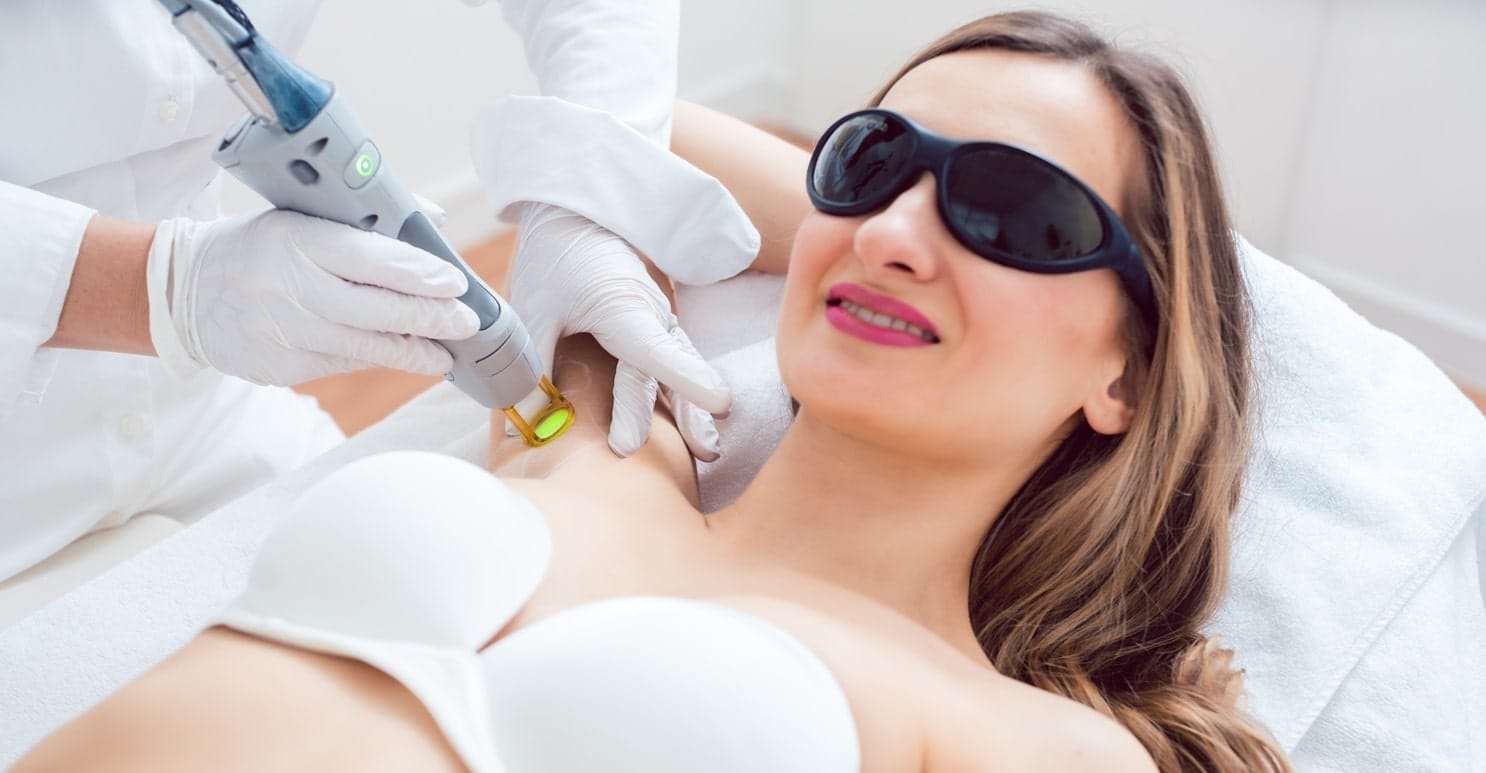
Short answer: for light to medium skin (Fitzpatrick I–IV) with dark hair, the 755 nm Alexandrite laser is the gold standard for laser hair removal: it is strongly absorbed by hair melanin, works well even on finer hair and covers large areas quickly. Diode is a good all-rounder, Nd:YAG is the safest choice for very dark skin, and IPL is not a laser at all. But just as important as the technology is which exact machine the clinic uses, what condition it is in, and who operates it.
Alexandrite, Diode, Nd:YAG and IPL at a glance
| Wavelength | Best for | Fine hair | Dark / tanned skin | |
|---|---|---|---|---|
| Alexandrite | 755 nm | Skin types I–IV, dark hair | Very good | Not for types V–VI or recent tan |
| Diode | 800–810 nm | Skin types I–V | Moderate | With caution |
| Nd:YAG | 1064 nm | Skin types IV–VI | Weak | Safest option |
| IPL (not a laser) | Broad spectrum | Light skin, dark hair | Weak | No |
Why “we have Alexandrite” is not enough
Two clinics can both say “Alexandrite” and deliver very different results. The difference is the manufacturer, the machine generation, maintenance and the cooling system. A genuine, CE-marked device from a recognised manufacturer with regular servicing delivers consistent energy on every pulse. An old, refurbished or poorly maintained machine can lose output — meaning more sessions or a higher risk of burns. And in ads, a diode is often described as “Alexandrite-type”.
8 questions to ask before choosing a laser clinic
- Which exact machine is it? Manufacturer and model (e.g. Candela GentleLase Pro) — not just “laser” or “Alexandrite-type”.
- Is it genuine and serviced? Ask about the serial number, CE marking and the date of the last service.
- Is there medical supervision? A dermatologist who sets protocols and reviews special cases (moles, hormonal hair growth, medication).
- Will they assess your skin type and do a test pulse? Before the first full session.
- What cooling does it use? Cooling (e.g. Candela’s DCD cryogen spray) protects the skin and reduces discomfort.
- What if I’m tanned or have dark skin? A serious clinic will ask you to wait or suggest another technology — it won’t “go ahead anyway”.
- How many sessions, how often? Usually 6–10, every 4–6 weeks on the face and 6–8 weeks on the body, then maintenance.
- How do you charge? Per session and area, or a compulsory package? Transparent per-session pricing protects you.
How we do it at KRL
- Alexandrite 755 nm only, Candela only: more than 35 Candela GentleLase Pro and GentleLase Mini lasers across 10 clinics in Athens, Piraeus and Thessaloniki, with DCD cryogen cooling.
- Every machine tracked by serial number with a service history — if one under-performs, it is taken out of use until repaired.
- Dermatologist-supervised protocols and a free assessment with skin-type check and test pulse.
- Honest about dark skin: Alexandrite is not suitable for skin types V–VI or right after tanning — we will tell you at your assessment.
- Pay per session, no compulsory packages, from €20 (underarms).
- More than 1,300 Google reviews across our clinics, averaging 4.7★.
FAQ
Is Alexandrite better than Diode?
For light to medium skin with dark hair, Alexandrite usually removes more hair per session, especially finer hair. Diode suits slightly darker skin types better. For very dark skin, Nd:YAG is the safer choice.
Does Alexandrite laser hair removal hurt?
Most people describe it as a rubber-band snap. Cryogen cooling reduces discomfort significantly, and a small area takes only a few minutes.
Can I have laser in summer?
Yes, if you are not tanned and protect the area with sunscreen. Avoid sun and sunbeds for about 2 weeks before and after each session.
Book a free assessment at one of KRL’s 10 clinics or see our prices.